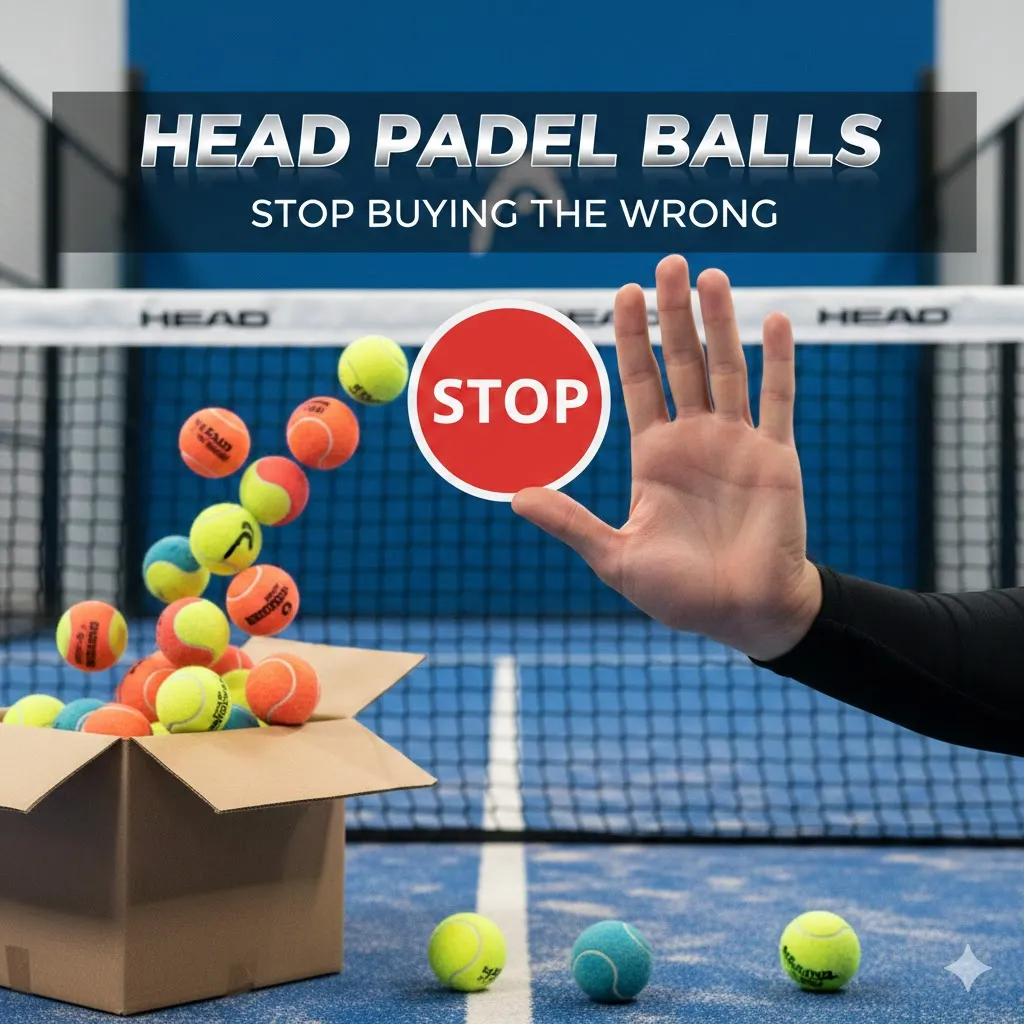
Picture this: It’s a typical Tuesday evening in November. You step onto the court, ready for a match, but within five minutes, it feels like you are hitting a wet stone rather than a bouncy sphere. The rally dies instantly, and your arm starts to ache. If this sounds familiar, the problem likely isn’t your technique—it’s your padel ball selection.
Padel is exploding across the United Kingdom, but the damp, cold British climate presents a unique challenge that players in sunny Spain rarely face. Understanding how atmospheric conditions affect your equipment is crucial. Whether you are a complete beginner wondering what is padel exactly, or an advanced player looking to optimise your game, choosing the right ball is the quickest way to improve your experience.
In this guide, we will break down the essential differences between padel and tennis balls, reveal the best choices for UK weather conditions, and answer the burning question: are padel ball pressurizers actually worth the money?
Padel Balls vs. Tennis Balls: What’s the Difference?
One of the most common mistakes new players make is assuming that because padel tennis balls look like tennis balls, they are interchangeable. They are not. Using the wrong ball can significantly alter the game dynamics and even risk injury.
Can I Use Regular Tennis Balls on a Padel Court?
The short answer is: No, you should not.
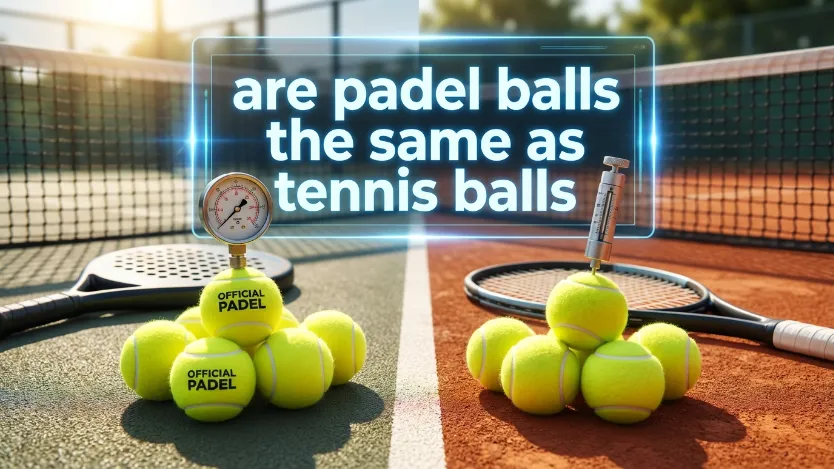
Tennis balls are pressurized at roughly 14 psi, making them significantly harder and bouncier than specific padel balls (which usually sit around 10-11 psi). While it might seem harmless, using a hard tennis ball on a padel court has two major downsides:
- Equipment Damage: The harder impact can cause micro-fractures in the foam core of your racket. If you want to protect your investment in one of the best padel rackets in the UK, stick to specific balls.
- Safety Hazards: Padel courts are enclosed by glass. Tennis balls bounce with excessive force, making the game chaotic and increasing the risk of the ball rebounding unpredictably off the glass walls.
Pressure and Size: The Technical Breakdown
According to the official FIP regulations (International Padel Federation), a padel ball must be slightly smaller (6.35cm – 6.77cm) but have less internal pressure than a tennis ball. This lower pressure is designed to slow the game down slightly, allowing for the longer rallies that make padel so addictive.
If you are confused about the scoring or flow of the match, checking out the padel rules can help clarify why a controlled ball speed is essential for strategic play.
How to Choose Padel Balls for UK Weather Conditions
The UK is unique. We play mostly at sea level, often in high humidity and low temperatures. These factors combine to “kill” the ball. A ball that performs beautifully in Madrid might feel heavy and dead in Manchester.
Why UK Humidity and Cold Kill the Bounce
Physics is the enemy of the winter padel player. Cold air causes the gas inside the padel ball to contract, reducing internal pressure. Simultaneously, high humidity makes the felt (the fuzzy covering) absorb moisture from the air and the glass walls. A wet, cold ball becomes heavier and softer, resulting in a very low bounce.
“Summer Balls” vs. “Winter Balls”
To counteract the British weather, you need to select your ammunition wisely. Brands have developed different speeds of balls to cope with these variables.
- For Winter & Indoor Courts (The “S” Range): When the temperature drops below 15°C, or if you are playing indoors where the air can be heavy, look for balls labeled “S” (Speed) or “Fast”. Examples include the Head Pro S or Bullpadel Premium Pro. These have a livelier rubber core and higher pressure to compensate for the sluggish conditions.
- For Summer & Hot Days: On those rare, glorious British summer days when temperatures rise, a fast ball might become uncontrollable. In these conditions, switch to a standard padel ball (like the standard Head Pro or Adidas Speed Rx) to maintain control over your lobs and chiquitas.
Best Balls for Wet/Synthetic Grass Courts
Most outdoor courts in the UK use sand-filled synthetic grass. This surface is abrasive. If you are learning how to play padel outdoors, prioritize durability. Balls with a thicker felt (often marketed as “Tour” or “Pro”) will resist fluffing up too quickly on the sandy surface.
Extending Ball Life: Are Pressurizers Worth It?
If you play regularly, you know the pain of opening a fresh can of padel balls, playing one match, and finding them flat the next week. This leads many players to ask about the padel ball pressurizer.
How Long Should a Can of Padel Balls Last?
In ideal conditions, pros change balls every 9 games. For amateurs in the UK:
- Summer: 3 to 4 matches.
- Winter: Often just 1 or 2 matches before they lose significant bounce.
Screw-on vs. Pump Pressurizers (The Truth)
There is a massive difference between the two main types of ball savers:
- Passive Savers (Screw-on): These maintain the existing pressure by preventing air from escaping the can. They stop the balls from getting worse, but they won’t fix a flat ball.
- Active Chargers (Pump Systems): Devices like the Pascal Box allow you to pump air into the container, forcing pressure back into the ball’s rubber core. For UK players, an active padel ball pressurizer is highly recommended. It can essentially pay for itself by doubling or tripling the lifespan of your balls.
Can You Revive “Dead” Padel Balls?
You can restore the pressure, yes. However, you cannot fix the felt. If your ball looks like a bald tennis ball, no amount of pressure will make it grip the racket face correctly for spin shots. When the hair is gone, the ball is done.
Advanced Technical Insights
For those who love the technical details (or are coming from a tennis background and wondering about pickleball vs padel physics), here is what you need to know about location.
High Altitude vs. Sea Level (UK Context)
In high-altitude cities (like Mexico City or Madrid), the air is thinner, offering less resistance. Balls fly faster and bounce higher. The UK is predominantly at sea level. The air is thicker. This implies that UK players almost always need a ball with more internal “pop” to achieve the same game feel as their continental counterparts.
Frequently Asked Questions
What are the best padel balls for cold and damp weather conditions?
For the UK’s cold and damp climate, you should opt for “Fast” or “Speed” designated balls. The Head Pro S is widely considered the gold standard for these conditions because it has a reinforced core and slightly higher pressure, allowing it to bounce effectively even when the air is heavy and cold.
Should I choose “fast” (S) or “standard” balls for indoor courts in the UK?
Even indoors, UK courts can be cooler than average. Generally, the “S” (Speed) version is preferred for indoor play to ensure the game doesn’t become too slow. However, if the indoor centre is well-heated or it is high summer, a standard ball provides better control.
Do padel ball pressurizers actually work to extend ball life?
Yes, absolutely. A high-quality padel ball pressurizer (specifically the pump variety) can extend the life of your balls by 3 to 5 times. Given the cost of balls in the UK, a pressurizer is one of the best investments a regular player can make.
How does humidity affect the bounce of a padel ball?
Humidity is absorptive. The felt on the ball acts like a sponge, taking in moisture from the air and the glass. This increases the mass of the ball and dampens its elasticity, resulting in a significantly lower bounce and a “heavy” feeling on the racket.
What is the difference between “training” balls and “tournament” balls?
Tournament balls use premium natural felt and high-quality rubber for consistent bounce and speed, but they are more expensive. Training balls often use more synthetic felt and a more durable (but harder) rubber compound. They last longer but may not offer the same “touch” or responsiveness.
Conclusion
Choosing the right padel ball is not just about brand loyalty; it is about adapting to your environment. In the UK, acknowledging the impact of weather on your game is the first step to winning more matches. Whether you opt for a faster ball in winter or invest in a pressurizer to save cash, making informed choices will save your arm and improve your rallies.
You May Also Like