
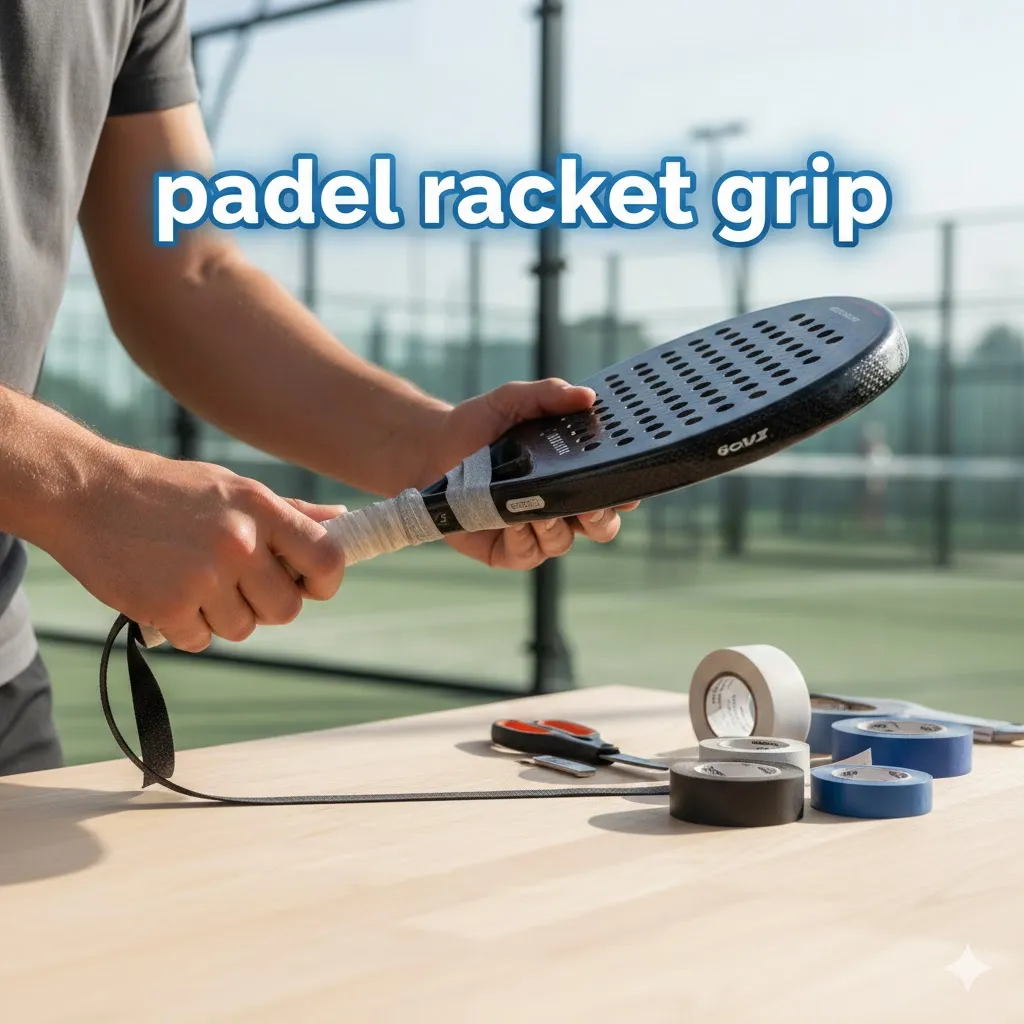
Ever felt your racket twisting in your hand just as you’re about to execute a match-winning smash? You aren’t alone. In the fast-paced world of British padel, where the weather can shift from a humid afternoon to a damp evening in minutes, your padel racket grip is the only thing standing between a perfect overhead and a costly unforced error. While many players obsess over the carbon fibre face of their racket, the most successful players know that the real magic happens in the handle. This guide will ensure you never lose your hold on the game again.
Understanding Padel Grips: The Basics
Before diving into the technicalities, we must distinguish between the layers of padel racket grips. Many beginners in the UK make the mistake of playing only with what comes out of the plastic wrap, but customisation is key to comfort.
The Difference Between a Replacement Grip and an Overgrip
A replacement grip is applied directly onto the hexagonal frame of the handle. It is thicker, cushioned, and usually has an adhesive backing. In contrast, an overgrip is a thinner tape wrapped over the replacement grip. Most players use overgrips to fine-tune the handle size and provide a fresh, tacky surface for better grip on padel racket handles.
Why Do Rackets Come With a Thin Factory Grip?
Manufacturers provide a thin base grip to give the player a “blank canvas”. Since hand sizes vary significantly across the UK playing population, starting thin allows you to build up the thickness using padel racket grip tape until it feels tailor-made for your palm.
Can You Use Tennis Overgrips for Padel?
The short answer is yes, but with a caveat. While the material is often identical, padel-specific grips are sometimes shorter. If you use a tennis overgrip on your padel rackets in the UK, you might find yourself with excess material at the top, which needs careful trimming to avoid a bulky finish.
Finding Your Perfect Grip Size
Choosing the right thickness is not just about comfort; it’s about preventing long-term strain. If you are using one of the best padel racket for beginners, getting the grip right is the first step to proper technique.
How to Check if Your Racket Grip Fits Your Hand Properly
A classic rule of thumb in the UK padel community is the “finger gap” test. When you hold the racket in a continental grip, there should be enough space between your fingertips and the heel of your hand to fit one finger of your other hand. If your fingers are touching your palm, the grip is too small.
How Many Overgrips Should You Actually Use?
Most club players use between one and three overgrips. Professional players often have very specific preferences, but for the average enthusiast, two overgrips over the factory grip usually provide the best balance of feel and shock absorption.
The Deep Dive: How to Change Grip on Padel Racket Like a Pro
Mastering how to change grip on padel racket handles is a rite of passage for any serious player. A poorly applied grip leads to blisters and “dead spots” where you lose the feel of the ball. Follow this meticulous step-by-step process:
- Step 1: Preparation: Remove the old overgrip and ensure the base grip is clean. If the base grip is crumbling, replace it entirely. Grab your new padel racket grip tape and remove the plastic protective film.
- Step 2: The Anchor: Most overgrips have a small adhesive tab at one end. Start at the “butt” (the bottom) of the racket. Place the adhesive end on the edge and hold it firm with your thumb.
- Step 3: The First Rotation: Complete one full rotation around the base without overlapping too much. This creates a solid foundation. Make sure the grip on padel racket handles covers the very bottom edge to prevent the plastic cap from rubbing your skin.
- Step 4: The Overlap (The Critical Part): As you start moving up the handle, overlap the tape by about 2mm to 3mm. Consistency is vital here. If you want a thicker feel, increase the overlap. For a thinner feel, keep the overlap minimal.
- Step 5: Tension Control: Keep the tape taut but do not overstretch it, as this can cause the material to lose its cushioning properties. In the UK’s cooler indoor centres, a slightly tighter wrap helps maintain tackiness.
- Step 6: Finishing the Top: Once you reach the throat of the racket, cut the grip at an angle (diagonal) so the end aligns perfectly with the top of the handle.
- Step 7: The Finishing Tape: Use the provided thin adhesive strip to secure the end. For an extra professional touch, ensure the logo on the finishing tape is facing upright.
Choosing the Right Padel Grip Tape for Your Playstyle
Not all padel racket grips are created equal. Your choice should depend on your physiological needs and the environment you play in.
Top Solutions for Sweaty Hands
If you find your grip on padel racket slipping during intense rallies, look for “perforated” or “extra absorbent” tapes. These are designed to wick moisture away from the surface. Brands like Bullpadel and Hesacore offer advanced solutions for this common issue.
The Truth About Grip Colours and Tackiness
Interestingly, many pro players swear that white overgrips are the tackiest. This is because coloured dyes can slightly alter the chemical composition of the outer layer. If maximum “stick” is your priority, stick to traditional white padel racket grips.
Maintenance and Longevity
Don’t wait until your grip is black with dirt to change it. A fresh grip can revitalise an older racket, such as a well-loved Nox X-One padel racket, making it feel brand new again.
- Frequency: If you play twice a week, you should ideally change your overgrip every 3-4 weeks.
- Storage: Always keep your racket in a padel racket cover. Exposure to air and dust dries out the adhesive resins in the grip tape.
- Pro Tip: After a match, wipe your grip with a dry towel before putting it away to remove sweat salts that degrade the material.
Frequently Asked Questions (UK Padel Community)
Q: Can a better grip help with “Padel Elbow”?
A: While we don’t provide medical advice, a grip that is too thin often causes players to squeeze the handle too tightly, which can lead to muscle fatigue. Ensuring your padel racket grip is the correct size is essential for a relaxed stroke.
Q: Are ergonomic grips like Hesacore worth it?
A: Many players in the UK have switched to ergonomic honeycomb grips to reduce vibrations. They replace the standard base grip and can be a game-changer for those seeking more comfort during long matches.
Q: Does the weather in the UK affect my grip?
A: Absolutely. In cold conditions, grips can feel “harder” and less tacky. In these cases, using a “tacky” specific overgrip is recommended. In humid indoor courts, an absorbent grip is your best friend.
Conclusion
The humble padel racket grip is often the most underrated piece of equipment in your bag. By mastering how to change grip on padel racket and understanding the nuances of padel racket grip tape, you gain a significant psychological and technical advantage on the court. Whether you are wearing high-performance padel shoes or just starting out with a basic kit, your connection to the racket is paramount. For more official guidelines on the sport, check out the Lawn Tennis Association (LTA) padel guide to stay updated with the UK scene. Happy playing!