Imagine stepping onto a court where your most powerful tennis smash is actually your biggest liability. In the high-stakes world of British padel, which has surged to over 400,000 active players by 2026, the game is no longer about raw power; it is about “tactical chess with rackets.” Professional padel coaching has evolved from a niche service into a sophisticated industry designed to help players navigate the unique geometry of the glass. Whether you are looking for a certified padel coach to fix your bandeja or seeking a career in padel coach jobs, understanding the current landscape—defined by the LTA’s rigorous standards and Spanish tactical influence—is essential for success.
The LTA Pathway: Navigating Padel Coaching Courses
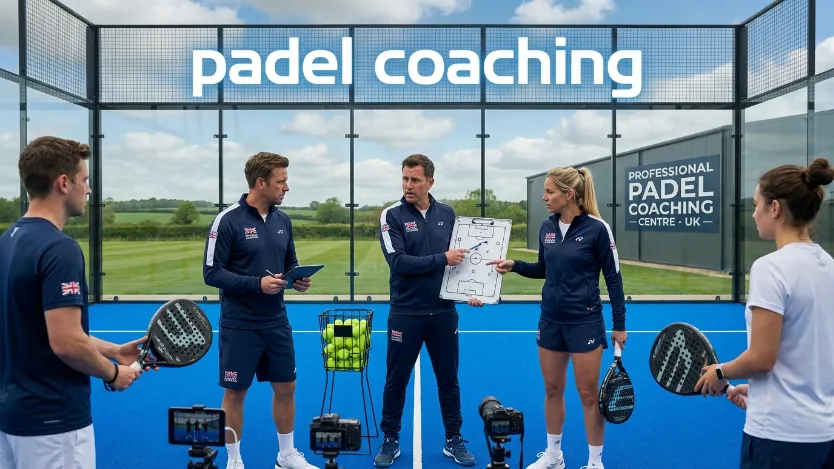
The **Lawn Tennis Association (LTA)** has officially standardised the professional journey for instructors. For those looking to enter the field, padel coaching courses are no longer just “add-ons” for tennis pros; they are distinct, five-day intensive programmes that prioritise game-based methodology and safety.
- LTA Padel Instructor (Level 2): The current entry point. Costing approximately £590, this qualification requires a “Readiness Test” or a top-100 LTA ranking. It focuses on leading group sessions and building technical foundations.
- LTA Padel Coach (Level 3): Officially launching in 2026, this level is designed for coaches working with performance players and competitive squads.
- CPD and Electives: Modern coaches are now specialising in niche areas such as “Coaching Kids Padel” or the highly technical “How to Coach the Double Glass”.
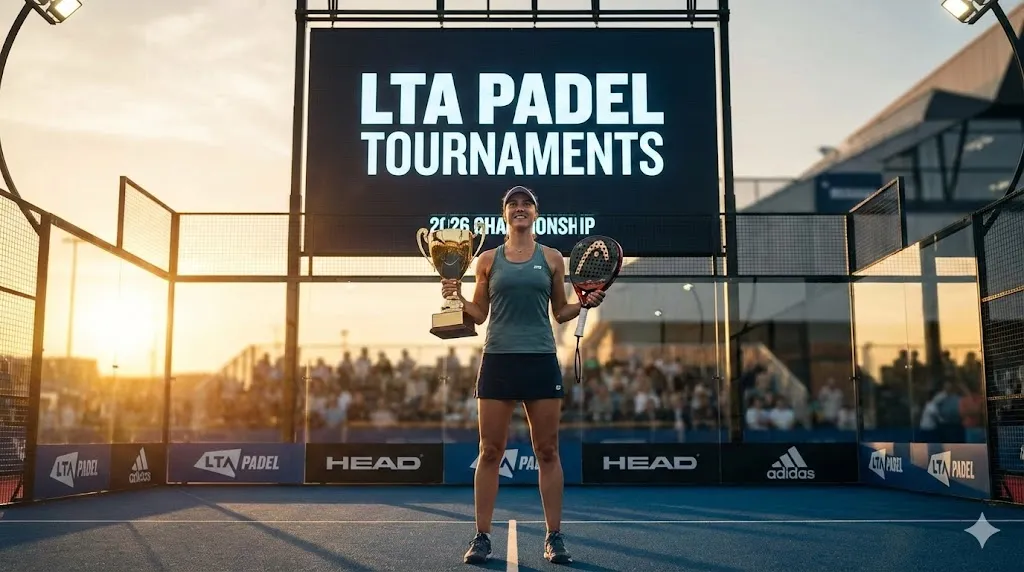
To see where these qualifications lead in terms of competitive play, players often track their progress through LTA padel tournaments to test their skills under official pressure.
The Missing Angle: Why Tennis Players Struggle and Squash Players Thrive
A significant “information gap” in the UK market is the different adaptation rates of athletes from other racket sports. While many padel coaching programmes are marketed to tennis players, research shows that squash players often adapt faster to “real” padel.
Tennis players frequently fall into the “mechanical trap”—focusing on changing their swing by one degree rather than understanding point construction. In contrast, squash players are naturally accustomed to the ball’s movement off the walls and the “patience game” required to win long rallies. A top padel coach in the UK will tell you that winning the “battle” (the shot) is useless if you don’t win the “war” (the tactical positioning).
Market Outlook: Padel Coach Jobs and Economic Trends
As the number of courts nationwide surpasses 1,000, the demand for padel coach jobs has reached an all-time high. Employment models in 2026 have split into two distinct paths:
- The Resident Coach (W2 Model): Employed by major operators like Rocket Padel or Rocks Lane. These roles offer stability, with salaries ranging from £24,000 to £43,200 per year, plus commissions on private lessons.
- The Independent Professional (1099 Model): These coaches operate as self-employed entities at public venues. In London hubs like Hyde Park or Chiswick, elite instructors command hourly rates between £45 and £120.
For those managing these venues, the LTA Padel Official Guide provides the necessary framework for accreditation and venue registration.
Elite Profiles: Top Padel Coaches in the UK
The standard of coaching has been elevated by individuals who bridge the gap between British sports science and Spanish tactical wisdom. Here are the top padel coaches in UK currently leading the revolution:
- Jo Ward (L5 Master Coach): As the LTA’s Head of Education, Ward is the primary architect of the UK’s coaching standards. Her philosophy combines technical precision with psychological resilience, making her one of the most respected figures in the industry.
- Frankie Langan: A former Great Britain Number 1 and World Padel Tour regular. Langan, based at The Heron Padel Club, is sought after for high-performance tactical analysis and “Shot Selection” mastery.
- Alberto Fernandez: Bringing authentic Spanish intensity to Birmingham, Fernandez focuses on the “Bold Within” philosophy, helping players master footwork and glass play—areas often neglected by UK-based tennis converts.
- Jared Robinson (UK Padel Academy): With a world ranking of 1156, Robinson provides a “global insight” framework, specifically helping tennis coaches transition their skills into the padel landscape.
- Paul Berry (Midlands): A standout coach who holds both LTA and PadelMBA certifications, Berry is known for delivering structured, data-driven sessions that accelerate player development.
Tactical Nuances and the 2026 Rule Updates
Coaching in 2026 must account for the new FIP “Star Point” system. Under this rule, when a game reaches a third deuce (40-40), a single decisive point is played. This has shifted the padel coaching focus toward “clutch performance” and mental fortitude during these high-stakes points.
Coaches also emphasize the official padel rules regarding safety. For example, playing without the safety strap is now strictly forbidden in all sanctioned play, and modern rackets must meet specific 2026 homologation standards.
Avoiding Injury and Choosing the Right Gear
One of the most frequent complaints in the padel community is “Padel Elbow.” Professional coaches advise beginners to stay away from diamond-shaped “pro” rackets too early. Instead, the focus should be on finding the best padel rackets for beginners, which feature a round head shape and EVA Soft core for maximum vibration absorption.
Additionally, understanding the padel scoring system helps players manage their physical exertion. Since padel is a game of endurance, learning when to “give up” a low-percentage point to save energy for the next rally is a hallmark of an advanced player.
Padel Etiquette: The Unwritten Rules
A common friction point in UK clubs is “micro-coaching” during social matches. Players often express frustration with “wannabe coaches” who provide unsolicited technical advice mid-game. Professional etiquette dictates that strategy chats should be kept to a maximum of 20 seconds between points, and technical corrections should be left to the actual padel coach during a scheduled lesson.
Conclusion: The Future of Padel Coaching
By 2026, the distinction between a “tennis pro teaching padel” and a dedicated padel coach has become the defining factor for club success. For players, the goal is consistency and tactical awareness over brute force. For those seeking padel coach jobs, the road leads through the LTA’s expanded certification pathway and a commitment to continuous professional development. As the sport matures in the UK, the focus will remain on building a community that values sportsmanship, tactical depth, and the pure joy of the rally.
Padel Coaching FAQ: Key Insights for UK Players
1. Is an LTA qualification mandatory to work as a padel coach in the UK?
While not a legal requirement for all private courts, LTA accreditation is mandatory for coaching at any LTA-registered venue. Furthermore, it is essential for obtaining Professional Indemnity insurance, which protects you against claims of inadequate instruction.
2. How much can I expect to pay for a padel coaching course?
The core Level 2 LTA Padel Instructor course typically costs £590. This excludes the cost of the prerequisite “Readiness Test” and any additional CPD (Continuous Professional Development) modules you may choose.
3. Why are squash players considered faster learners than tennis players?
Padel is often described as “squash played in the sun.” Squash players already understand ball trajectory off the back and side glass, as well as the importance of patience and positioning. Tennis players often struggle with the “reset” required when a ball passes them and hits the wall.
4. What is the most common technical error coached in the UK?
The most common error is a backswing that is too large (a “tennis swing”). Padel requires shorter, more compact motions to handle the faster rebounds and to ensure better control at the net.
5. Can I use tennis balls for my padel coaching sessions?
No. Padel balls have significantly less pressure than tennis balls. Using tennis balls in padel makes the game too fast, reduces the tactical “wall play,” and increases the risk of elbow injuries.