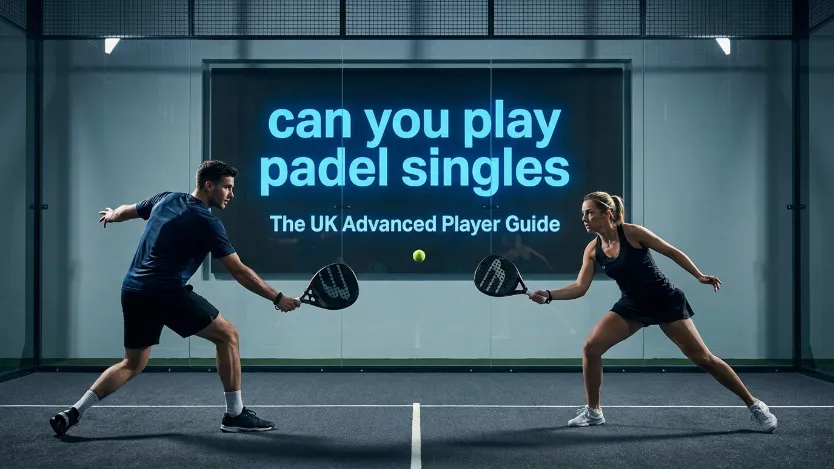
The distinctive “pop” of a high-tension carbon smash echoing off the glass is becoming the soundtrack of West London’s sports scene. As the game evolves from a weekend social to a cut-throat competitive pursuit, many enthusiasts often ask, can you play padel singles to sharpen their individual skills? Advanced players in the capital are no longer just looking for a court; they are seeking a high-performance environment that matches their technical ambitions. This is exactly why padel social club earls court has emerged as a cornerstone for the UK’s elite amateur circuit, offering a bridge between social play and professional-grade competition.
Advanced Racket Engineering: The Science of 18K Carbon and EVA Density
For the advanced player, choosing a racket is an exercise in material science. While beginners are advised to stick with flexible fibreglass, the elite game in the UK demands the rigidity of a carbon fibre padel racket. However, not all carbon is created equal. The “K” rating refers to the number of filaments per thread—3,000 (3K), 12,000 (12K), or 18,000 (18K).
- 12K Carbon: Often considered the “sweet spot” for engineering. It is significantly stiffer than 3K, offering a faster recovery time where the racket face snaps back to its original shape instantly after impact.
- 18K Carbon: The pinnacle of stiffness. 18,000 filaments create a dense, rigid surface with almost zero energy loss. This is designed for players with high swing speeds who want maximum explosive power.
A critical “missing angle” often overlooked by major retailers is the interaction between these materials and the British climate. In the cold, damp conditions of a UK winter, the EVA (Ethylene Vinyl Acetate) foam core in your racket compresses and hardens. This reduces the “trampoline effect,” making a soft racket feel medium, and a hard racket feel like a literal brick. Advanced players at padel social club earls court often rotate equipment seasonally, using a slightly softer core in winter to maintain a manageable sweet spot, and switching to a diamond padel racket with a harder core during the summer months to capitalise on the “lively” ball response.
The Singles Padel Revolution: Can You Play 1v1 on a Doubles Court?
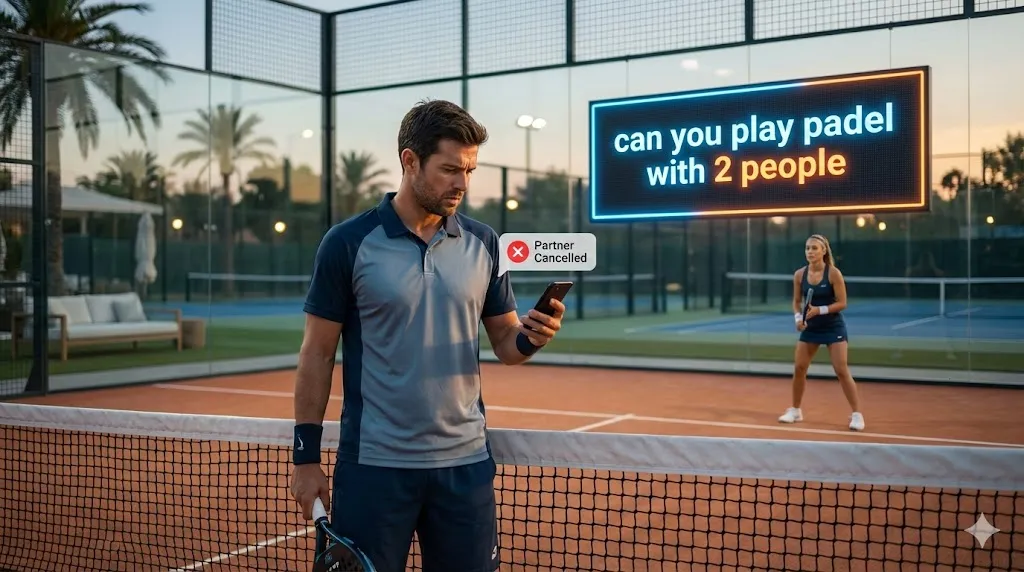
A common point of confusion in the UK community is the viability of solo play. Can you play singles padel? The answer is yes, though it is a radically different sport. While dedicated singles courts (measuring 20m x 6m) are rare in Britain, they provide a focused environment where the passing shot is easier to execute because the player must cover 6 metres of width alone.
However, the real question most players ask is: can you play singles padel on a doubles court? At high-performance hubs, advanced players use the full 20m x 10m doubles court for “cross drills.” In this format, you play exclusively diagonally. If the ball lands on the “long-line” half of the court, it is called out. This is a “golden opportunity” to improve endurance and shot discipline, as it simulates the most common matchplay patterns while doubling the number of repetitions each player receives.
When you play padel as singles, the cardiovascular demand increases by approximately 20% compared to doubles. It forces a more conservative tactical approach; since there is no partner to cover the net, the “lob and drop” strategy becomes much more lethal. If you are looking to play padel in singles format, it is best used as a high-intensity training tool rather than a replacement for the social, strategic depth of the doubles game.
Tactical Warfare: Breaking “The Fridge” (La Nevera)
In competitive UK tournaments, advanced pairs often employ the “Fridge” tactic—targeting 80% of shots at the weaker player to leave the stronger player “cold” and frustrated. To counter this, the player in the “fridge” must implement specific padel scoring strategies to regain control:
- Parallel Lobs: By hitting lobs straight ahead (parallel) rather than cross-court, you force the opponent to hit a more difficult, risky diagonal return, often opening up the court for your “frozen” partner.
- The 75% Rule: The partner being avoided must stay active and “poach” balls that come through the centre, even if they are technically on their partner’s side, to stay in the rhythm of the game.
- Psychological Reset: Understanding that the “Fridge” is a sign of respect for your skill can help maintain the mental toughness needed to finish the point when the ball finally comes your way.
Climate Adaptation: The “Winter Smash” and Customisation
One of the “missing angles” in standard guides is how to handle wet glass in the UK. When humidity is high, the ball “slides” down the glass rather than bouncing up. The best padel rackets for advanced players in Britain are often customised with lead tape to handle these heavy, wet balls. Adding weight at the “12 o’clock” position increases swing weight, providing the extra punch needed to penetrate through heavy air and wind.
Advanced players also master the “Winter Smash”—aiming the ball deeper into the court (past the service line) so it rebounds off the glass at a flatter, lower angle. This makes it nearly impossible for defenders to dig out in damp conditions. For more on the official regulations governing these playstyles, you should consult the LTA Padel guidelines in Britain.
The UK Professional Ecosystem: Ratings and Facilities
To truly excel, players must navigate the British Padel Rating System (BPRS), which scales from 1.0 (beginner) to 7.0 (professional). Reaching the 4.5+ tier requires not just skill, but a consistent competitive schedule at top-tier venues. Beyond the technical courts at padel social club earls court, elite players often frequent centres like Rocket Padel Bristol for Grade 1 tournaments to test their mettle against the nation’s best.
Frequently Asked Questions of can you play padel singles
(FAQ)
What is the best racket for advanced players in the UK?
The best padel rackets for advanced players typically feature 18K carbon faces and high-density EVA cores. Brands like Nox, Bullpadel, and Adidas offer specific “Pro” lines that provide the stiffness required for high-speed competition.
Can you play singles padel on a doubles court during a match?
While you can play padel as singles on a doubles court for practice, official competitive matches are strictly doubles. If playing 1v1 on a doubles court, players usually agree to play “cross-court” only to maintain a realistic rally structure.
How does humidity affect padel balls and rackets?
Humidity increases the weight of the ball and reduces the “pop” of the racket face. In the UK, it is advisable to use a racket with a rough, sand-grit surface to maintain grip on a wet ball and to replace balls more frequently during winter sessions.
Is padel social club earls court suitable for professional training?
Yes, the facility at padel social club earls court is designed with premium courts and amenities that cater to the “advanced Professional” segment, including recovery facilities and pro-level coaching.
In conclusion, the path to padel mastery in the UK is as much about tactical intelligence and equipment maintenance as it is about physical prowess. Whether you are adjusting your lead tape for a windy afternoon or breaking a “La Nevera” siege, the nuances of the game are what separate a social player from a true competitor.